WhatsApp Us: +353 87 202 0389
Email: info@btmaths.com

Maths grinds have become a staple in many Irish students’ exam preparation. But do they deliver? How much effort is needed for them to pay off? Who benefits most? Let’s dig into what the research and experience tell us.
What Exactly Are Maths Grinds
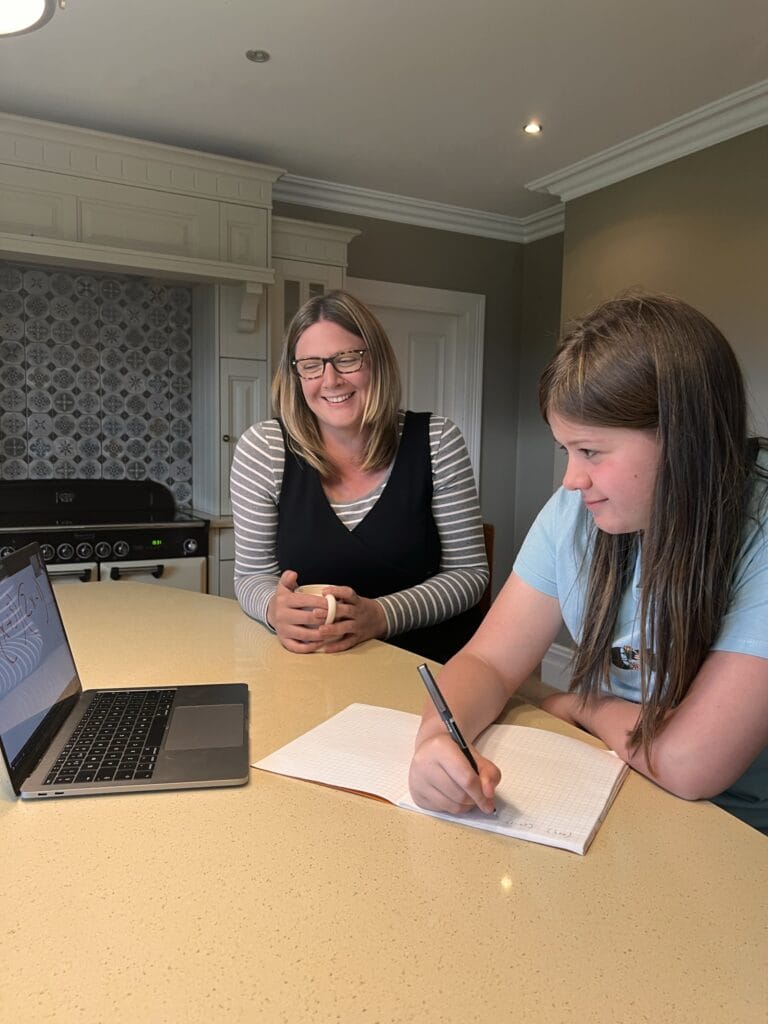
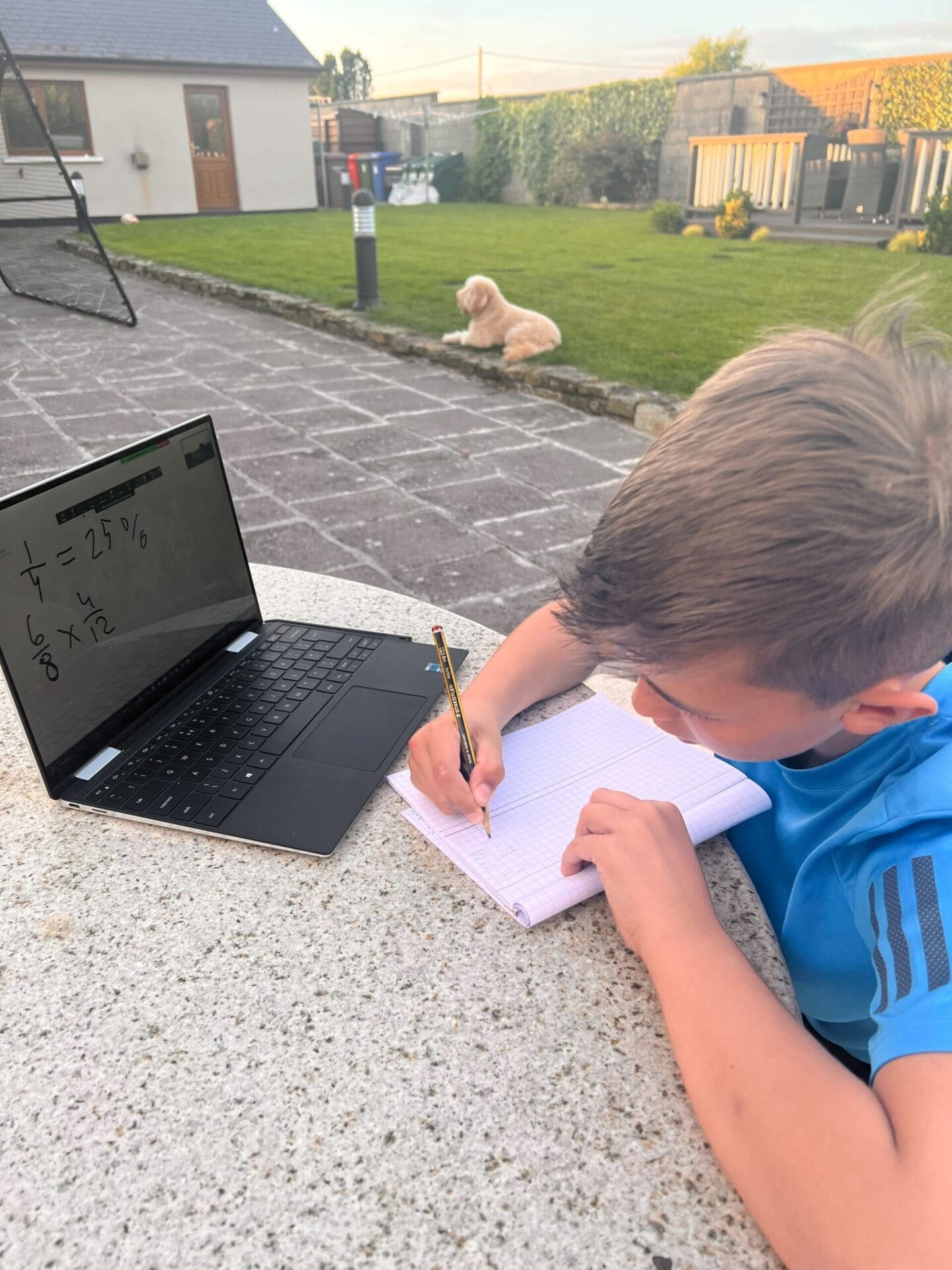
In Ireland, “grinds” refers to paid tutoring outside standard school hours. This can be one-to-one, small group sessions, weekend or evening classes, or “grind schools” that focus on exam tactics and revision. Often the aim is to boost grades, to catch up on gaps, or to improve chances in competitive entry to university or other further education.
How Many Students Use Maths Grinds
Grinds are widespread. According to an ESRI study, over 55% of Irish students in their final year of secondary school are taking part in grinds.
According to the same study, there is also a strong connection between which students take grinds and their socioeconomic background. Those with parents in higher-status jobs and with higher income are more likely to use grinds. Students from disadvantaged communities, or from lower-income households, are much less likely to.
Do Maths Grinds Actually Improve Grades?
The short answer is yes. But the level of improvement can vary greatly. Grinds seem to deliver benefits especially for lower or medium-achieving students, or those who have gaps in understanding. For high-achieving students, the return seems to be smaller.
So, the impact isn’t uniform. Much depends on starting level, how grinds are used, how much effort is made, and what the alternatives are.
A lot of students begin maths grinds too because they don’t know how to study and think that the tutor give them advice. You can watch my video on how to study below.
How Much Time / Effort Does It Take?
There’s less specific, universally agreed data on how many hours are “just enough”, but there are patterns and practical considerations to draw on.
Many students begin grinds several months ahead of final exams, not just in the final weeks. Early intervention tends to help more. Regular, consistent engagement (e.g. weekly or multiple sessions per week) tends to be more effective than cramming.
From a study in Lifting the Lid on Mathematics Grinds at Secondary Level in Ireland, some teachers and students report feeling that block modes (intensive) work well for revision, but only if the student is already reasonably prepared. In other words, a student can’t just do a course on algebra if they don’t know where to start. The tutors need to treat it as if the student is learning it for the first time.
Time invested has to be paired with quality. A good tutor, clarity in what needs work, structured plan etc. Merely attending grinds without addressing misunderstandings or weaknesses often produces weaker gains.
The Science Behind Maths Grinds
Why does extra tuition help? Some of the reasons are:
Personalised Attention – In regular classes, teachers must move at pace to cover the syllabus. Grinds allow for more targeted work on concepts a student struggles with.
Focused Revision & Exam Strategy – Grinds often include exam technique (how to structure answers, avoid mistakes, manage time) which regular school classes may not have the time for.
Confidence and Motivation – Extra support can reduce anxiety, build confidence. When students feel more in control, they’re likelier to engage more in regular schoolwork too.
Repetition & Spaced Retrieval – Revisiting difficult topics multiple times (spaced learning) improves retention. Practice under test-like conditions helps reduce exam day stress and errors.
Gap Bridging – For students who’ve missed foundational concepts (say earlier years), grinds can help fill those gaps so that more advanced material makes sense.
However, the science also warns of “diminishing returns”. If a student already understands most of the syllabus well, more tutoring may not produce as big an improvement. Also, if grinds are just cramming, without deep understanding, they can lead to stress more than benefit.
Potential Downsides and Risks
It’s not all upside. Some drawbacks and concerns:
Cost: Grinds can be expensive, putting a burden on families. This creates inequality. Those who can’t afford grinds may be at a disadvantage
Pressure & Burnout: The grind culture can increase stress. If students are doing school, homework, and grinds, risk of overwork is real.
Inequality: The ESRI report argues that grinds reinforce educational inequality – since medium- and high-achieving students from wealthier backgrounds are more likely to take grinds, benefitting more.
Who Needs Maths Grinds?
Putting together the research, grinds are most beneficial for:
1) Students who are lower or medium achieving and need help filling gaps.
2) Students aiming for higher grades in competitive subjects where small improvements make big differences (e.g. Maths, Irish, etc.).
3) Students who are motivated, willing to do work outside the grind sessions.
4) Those who have less support from school, or whose school resources are stretched.
For high-achieving students who are already very well supported, grinds may give small gains but often at high cost.
Do Maths Grinds Work?
Yes they can work. Especially when 1) the student has gaps to fill 2) the grind is earlier, consistent, well-structured, and tailored to their needs, and 3) there is motivated, engaged effort from the student.
They are less effective when 1) the student is already high achieving with strong foundation, unless the grind adds exam technique/new insights 2) the time, cost or intensity outweigh the benefit (e.g. very high fees, very late start) and 3) the grind is superficial – e.g. lots of busywork, little feedback, no targeted correction.
Most students think that maths grinds will automatically get them a Distinction in their Junior Cycle exam. But that’s not the case either. Watch my video on Distinctions below.
How to Get the Most From Grinds
To maximise benefit if you or your child are considering grinds, here are practical suggestions:
Start early (several months before final exams) rather than cramming last minute. Choose a tutor or grind school with good feedback, proven outcomes, and who aligns with your learning style. Make clear what needs work: have the tutor set diagnostic assessments or feedback to find weak areas. Balance time spent on maths grinds with mental rest, downtime, or other subjects. Use grinds + regular school + personal study together. The grind should supplement, not replace, good in-school effort. Review progress regularly: check mock or past paper scores to see if improvement is happening.
Final Thoughts
Maths grinds in Ireland are a powerful tool for many students. For those who need more support, especially when foundational topics are shaky or when competition is steep, they can make a real difference. But they’re not a magic wand. Time, cost, student effort, and how early one starts all matter heavily.
If you’re considering maths grinds for your child, try a free class with us here. You can also read my blog on how 91.5% of our Leaving Cert students saw an increase in their grades after classes with us here.